SUSTAINABILITY
Discover how we take a more considered approach to print
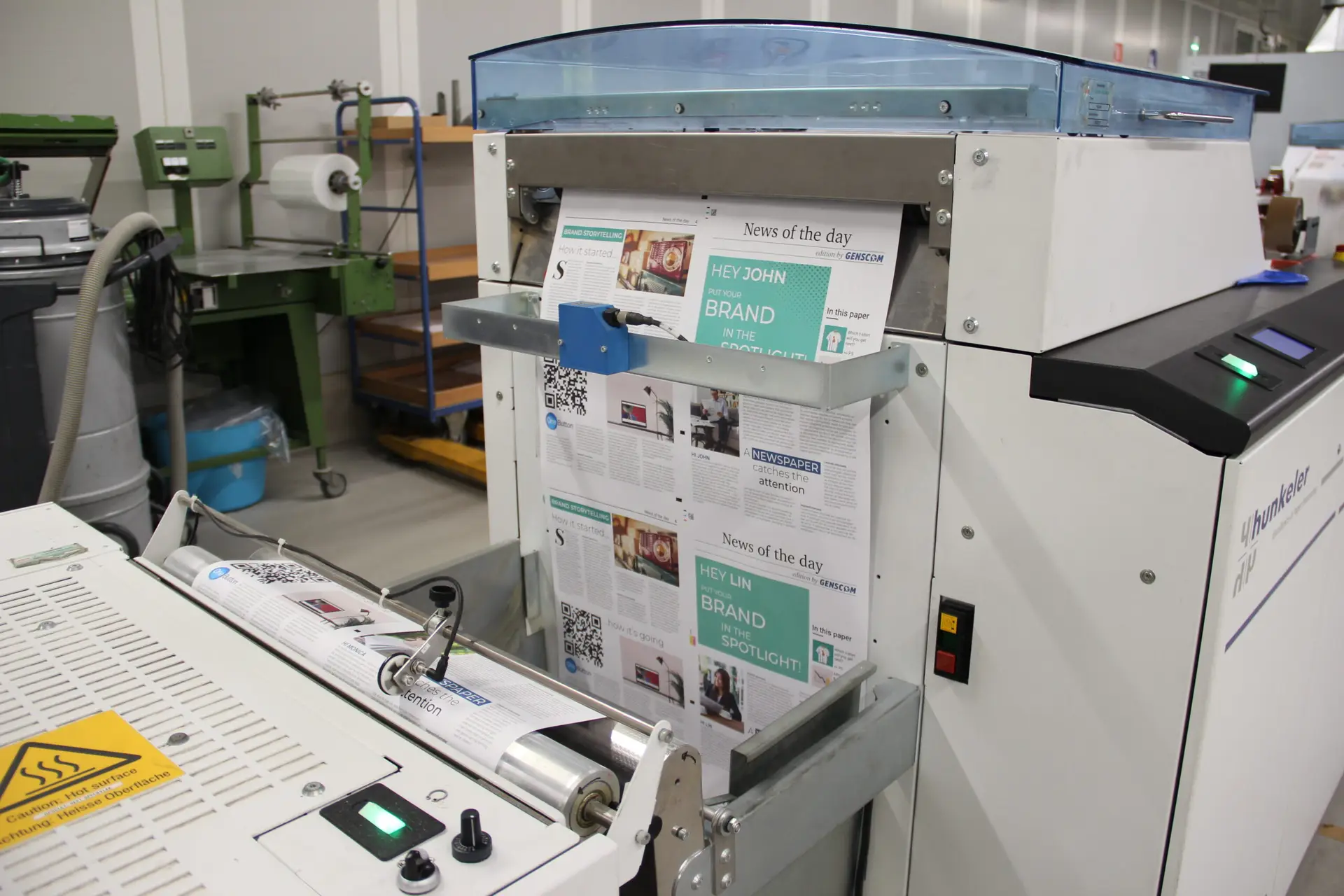
Digital printing
With digital printing, we produce the exact number of copies required. This means there is no need to print additional copies to meet a minimum print run. Our camera system helps detect errors during production and limit unnecessary reprints.
Energy and emissions during the printing process
- The inks require no additional drying equipment
- No ozone emissions are generated during the printing process
- The print room is climate-controlled using heat pumps
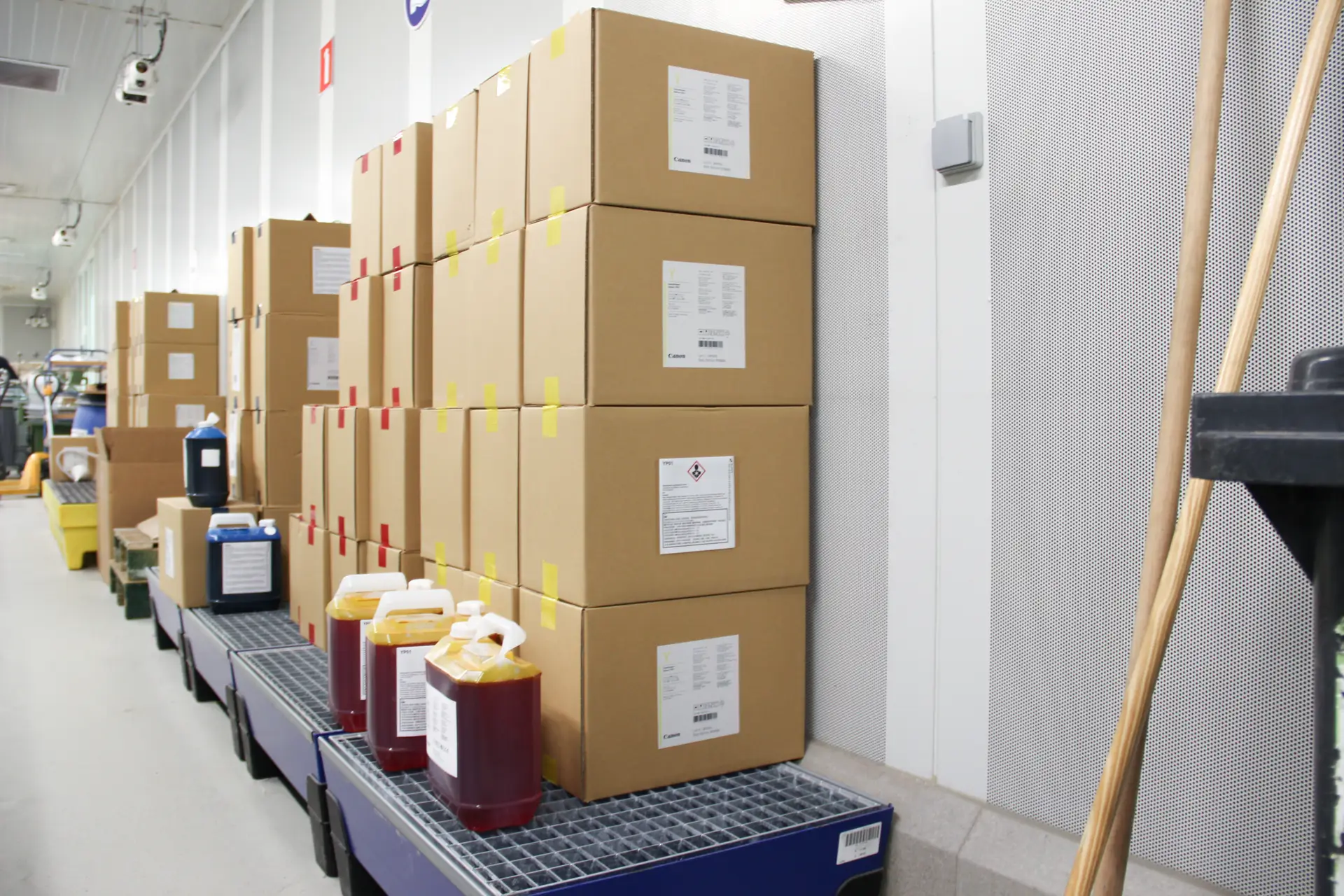
Water-based inks
We print using water-based inks.This means that water forms the base of the ink rather than solvents. No additional drying is required during the printing process, and no solvents are released from the ink.
The choice of ink also plays a role after the printed material has been used. The inks can be effectively removed from the paper fibres during the recycling process. This makes it easier to recover the paper fibres so they can be used again in the production of new paper.
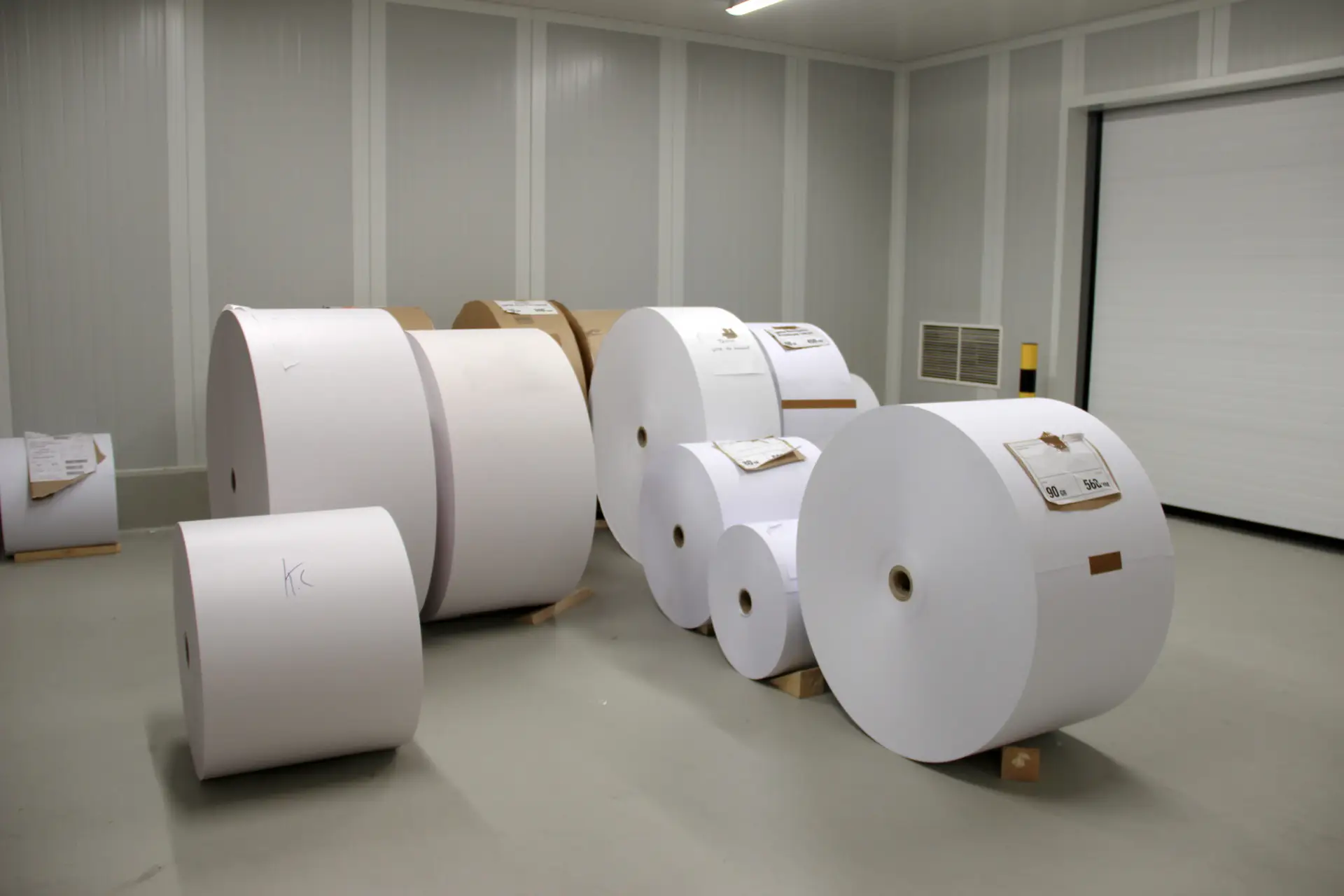
Our paper types
Depending on the application and the desired look and feel, we work with different paper types from suppliers such as Holmen, Navigator and Clairfontaine.Our range includes recycled and/or FSC®-certified paper types. The manufacturers also operate according to various recognised ISO-certified management systems.
We select the paper based on the type of publication, print run and desired finish.
vMore information about the composition, origin and certifications can be found on the product pages of some of the paper types we use:
Holmen TRND
Holmen VIEW
Holmen PLUS
Navigator Premium Inkjet
Clairfontaine Clairjet ICY 1300
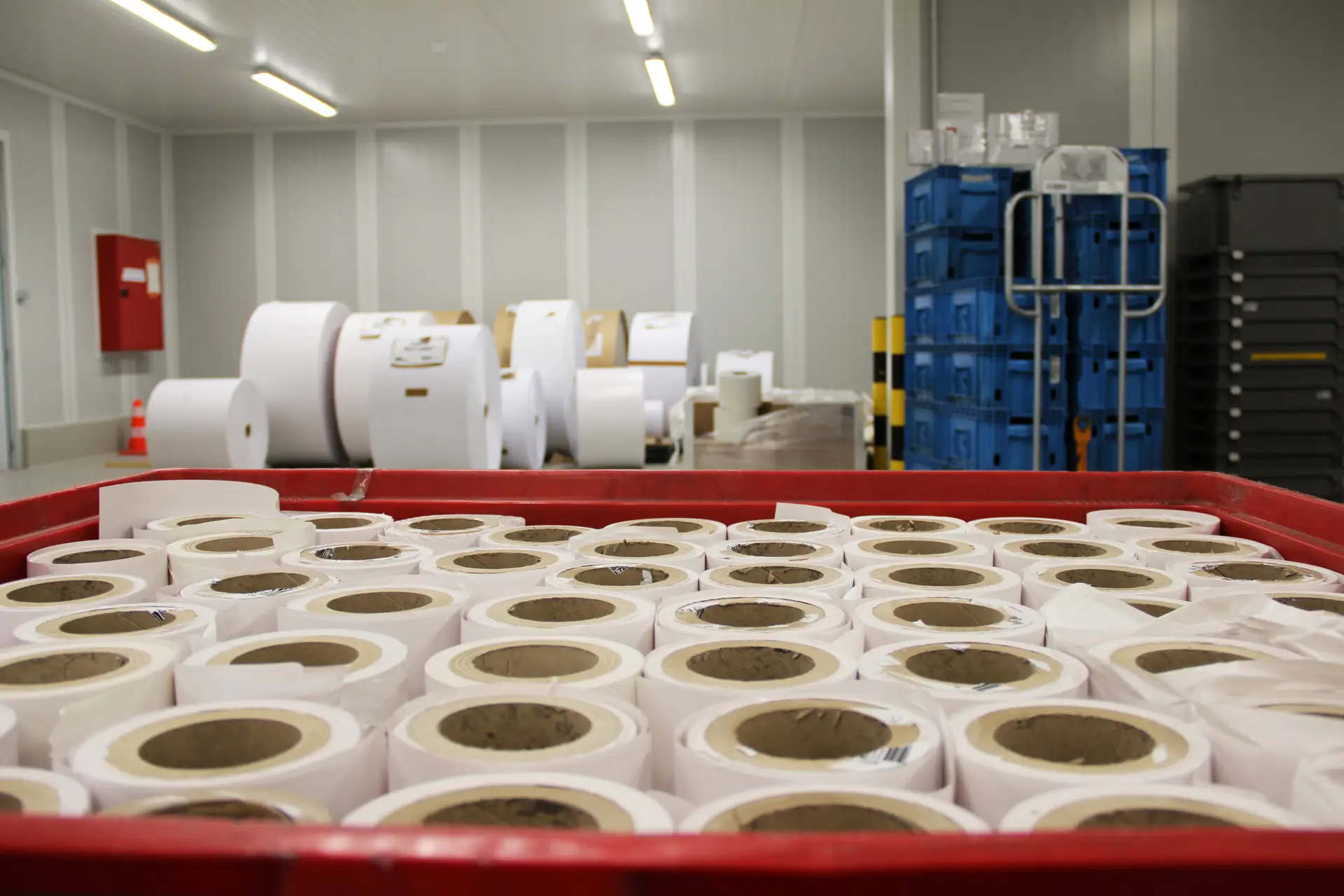
Take-back and recycling of production materials
We also consider what happens to materials after they have been used. Our supplier therefore organises the take-back and recycling of various materials from the production process,including paper roll packaging, ink containers and certain consumables. Rather than simply being disposed of as residual waste, these materials are collected separately for further processing and recycling.
We also consider what happens to our printing equipment and its components when they reach the end of their useful life. According to our printer supplier, up to 80% of a printer can be recycled.Some components do not immediately need to be replaced and discarded. Certain inkjet printheads can also be reused..
In this way, we aim not only to use materials as efficiently as possible during printing, but also to consider how they can be processed or potentially reused afterwards.
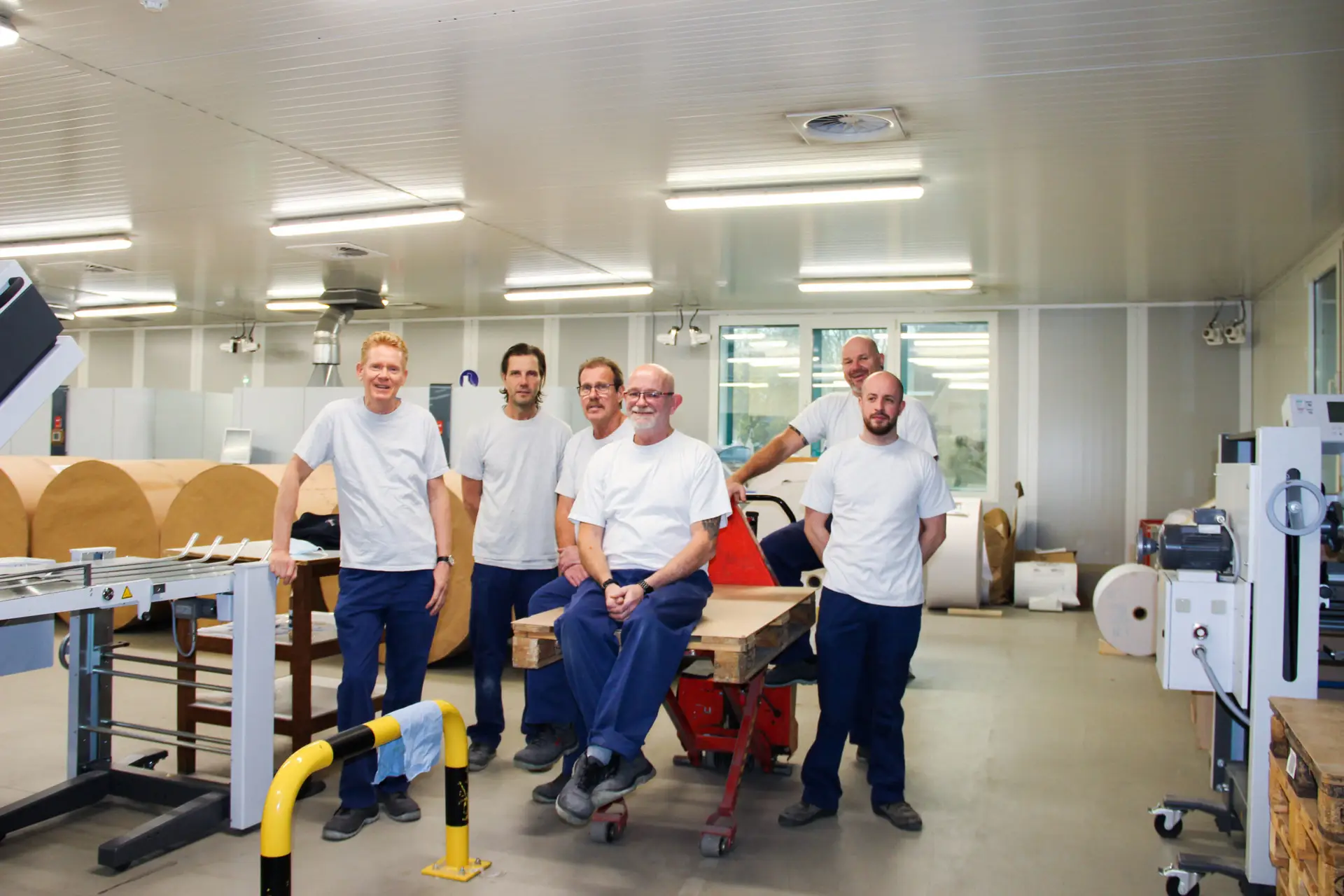
Centrally produced in Antwerp
Our newspapers are printed and finished at our own production facility in Antwerp.From here, orders are shipped directly to our customers and recipients in Belgium and the Netherlands.
Antwerp's central location is practical in this respect: Flanders, Brussels and Wallonia, as well as a large part of the Netherlands, are easily accessible from our production facility. Because the entire production process takes place at one location, newspapers do not need to be transported between different external production sites.
Once printed and finished, the newspapers can be shipped directly from Antwerp to their final destination. This keeps the logistics chain straightforward and helps us avoid unnecessary intermediate steps wherever possible.